Néon LED flexible à courbure latérale — IP65 à IP68 | DENO
Le néon LED flexible à courbure latérale est une solution d'éclairage linéaire flexible et encapsulée, conçue pour les applications nécessitant un éclairage autour de courbes et de contours où l'émission lumineuse est perpendiculaire à l'axe de flexion. DENO LED propose 12 modèles avec une entrée DC 24V, allant de 5W/m à 10W/m, et un IRC de Ra>90. Ces produits présentent des indices IP67 ou IP68, les rendant adaptés aux accents architecturaux extérieurs, à la signalisation et aux installations d'éclairage décoratif nécessitant une protection environnementale robuste et un rendement lumineux constant.
Série à courbure latérale models & key specifications (12)
24V SéRie à Courbure LatéRale Models (9)
0612S-EE — 2835 · 120 LEDs/m · 24V
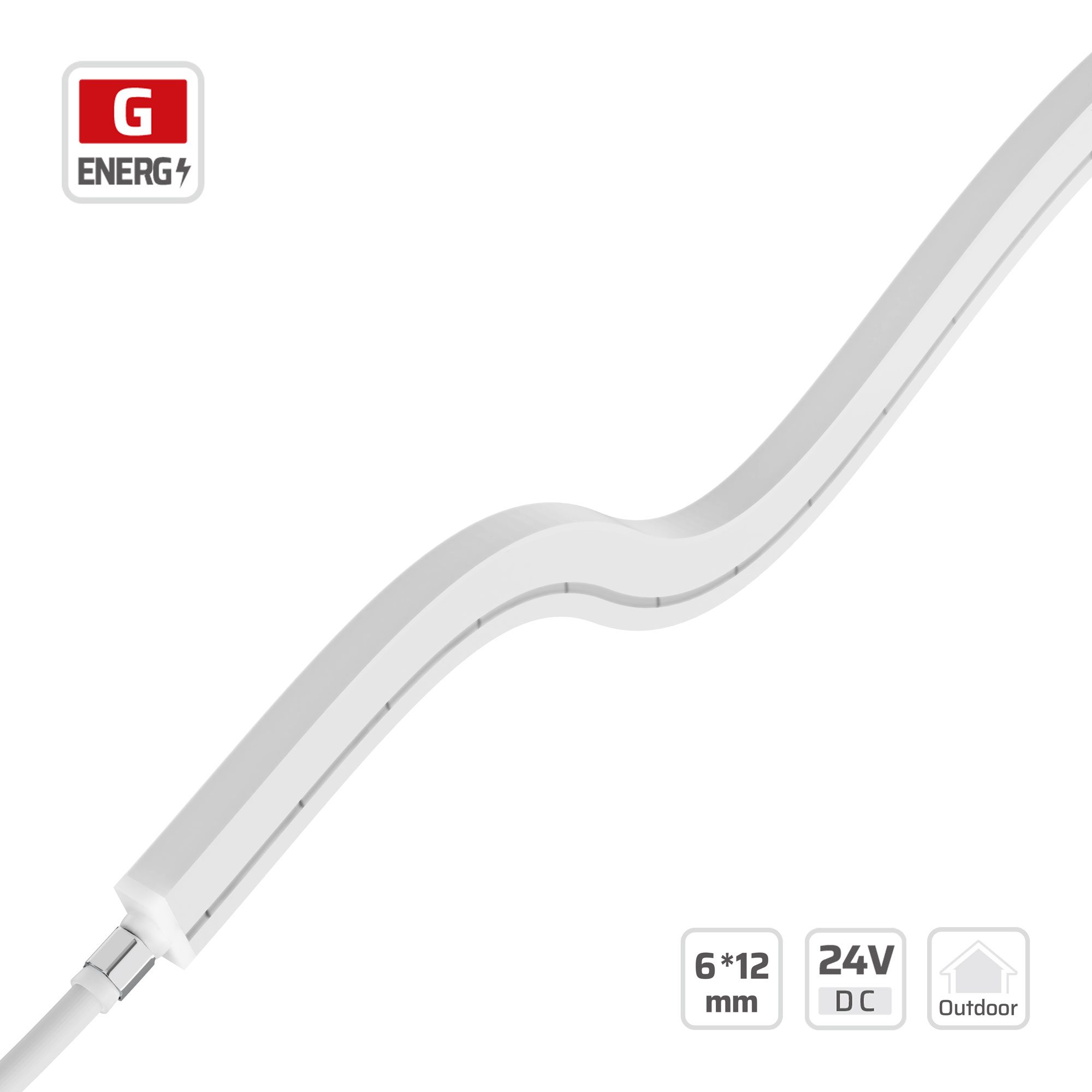
LED Type: 2835 · LED Density: 120 · Voltage: 24V · Power: 7.2~28.8W · Cutting Unit: 6 LED/50mm · PCB Width: 8mm · Copper Foil: 3oz · Circuit Type: CV · IP Rating: IP67
1018S-EE — 2835 · 120 LEDs/m · 24V
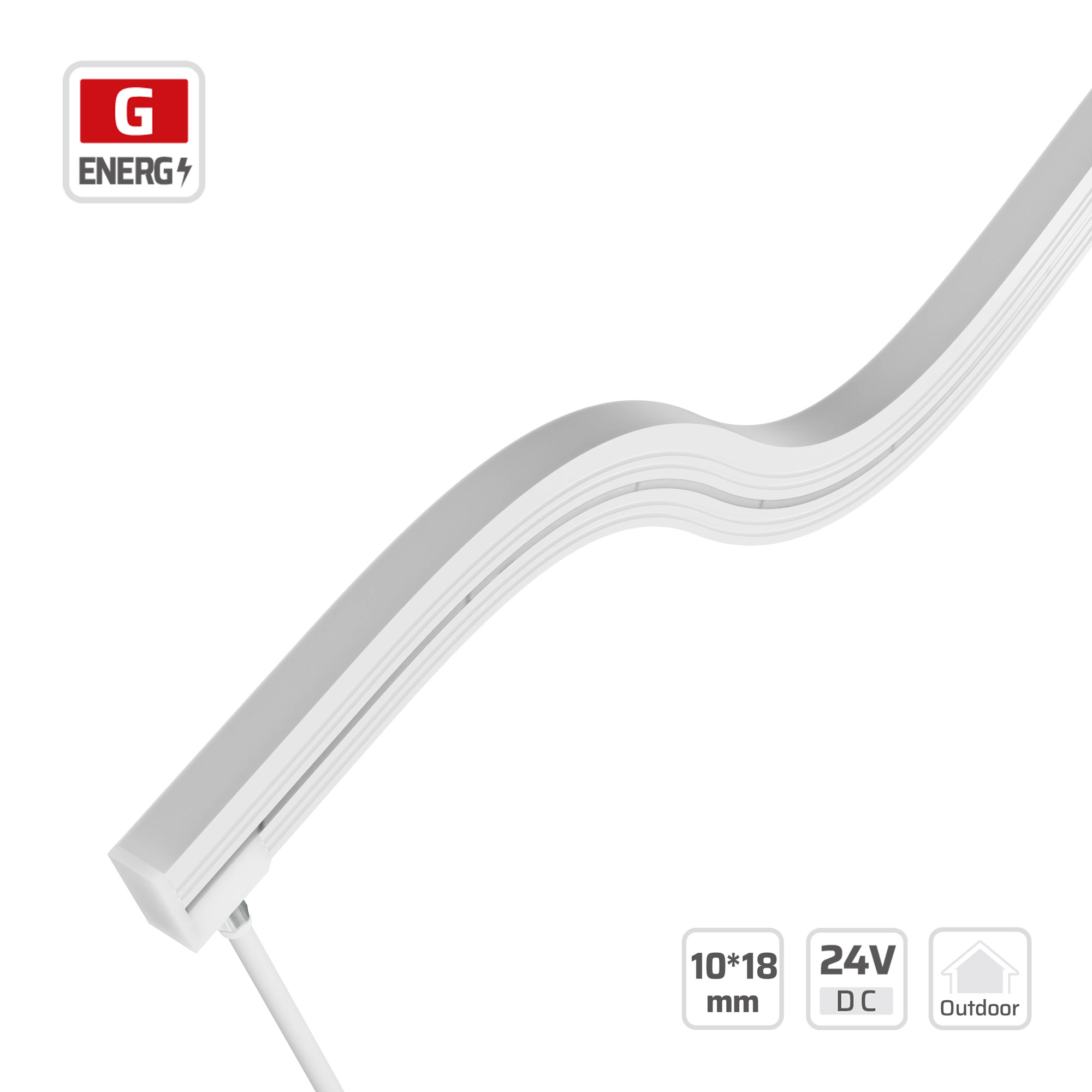
LED Type: 2835 · LED Density: 120 · Voltage: DC 24V · Power: 2.8~28.8W · Cutting Unit: 6 LED/50mm · PCB Width: 10mm · Copper Foil: 3oz · Circuit Type: CV · IP Rating: IP67
DL-SV-1020 — 60 LEDs/m · 24V
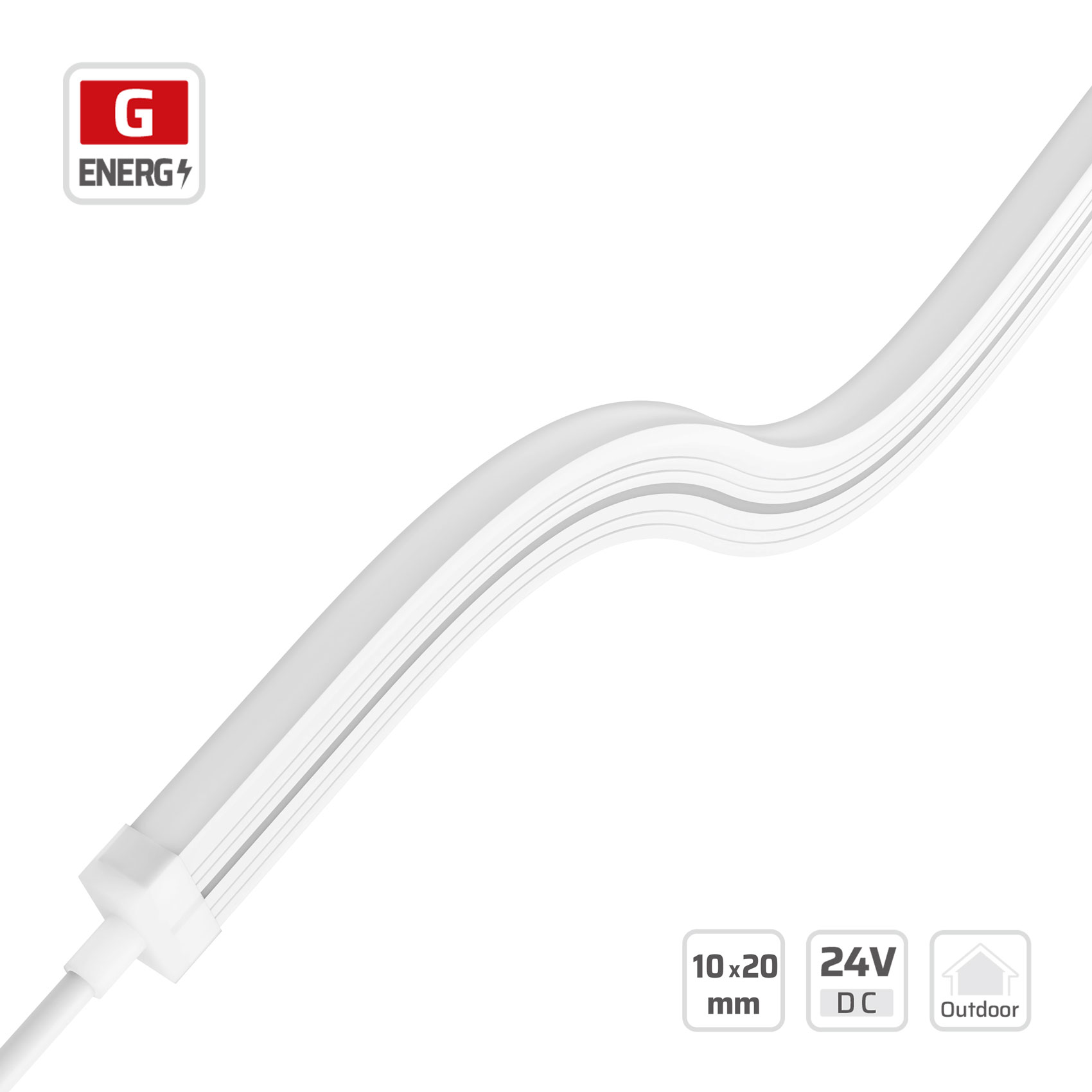
LED Density: ≥ 60 LEDs/m · Voltage: DC 24V · Cutting Unit: 6 LED/50mm · PCB Width: 12mm · IP Rating: IP67
DL-T1220F — 60 LEDs/m · 24V
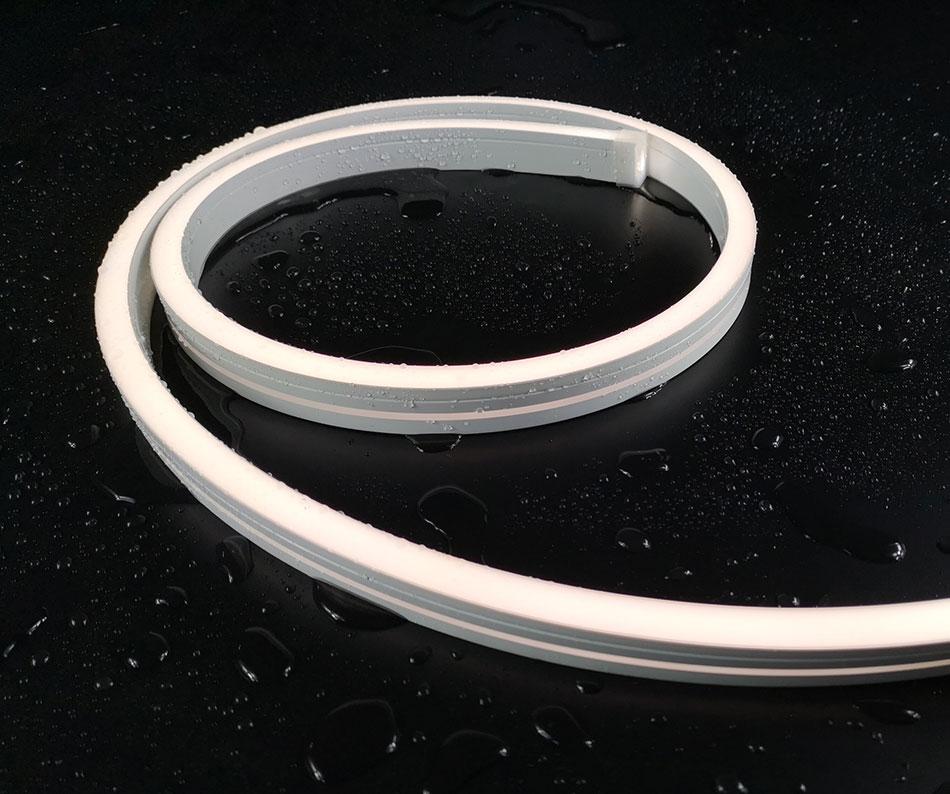
LED Density: ≥ 60 LEDs/m · Voltage: DC24V · Cutting Unit: 6 LED/50mm · PCB Width: 10mm · IP Rating: IP67
DL-T0613F — 120 LEDs/m · 24V
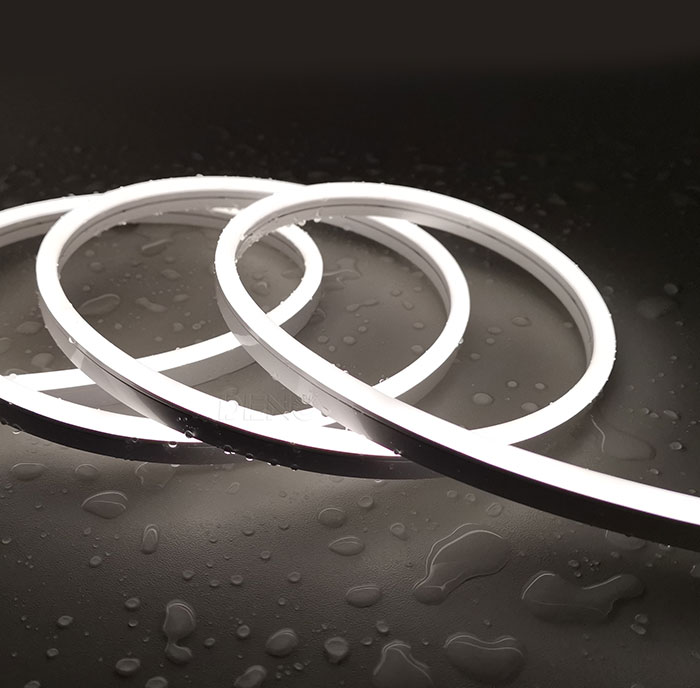
LED Density: ≥ 120 LEDs/m · Voltage: DC 24V · Cutting Unit: 6 LED/50mm · PCB Width: 8mm · IP Rating: IP67
DL-SV-1018 — 60 LEDs/m · 24V
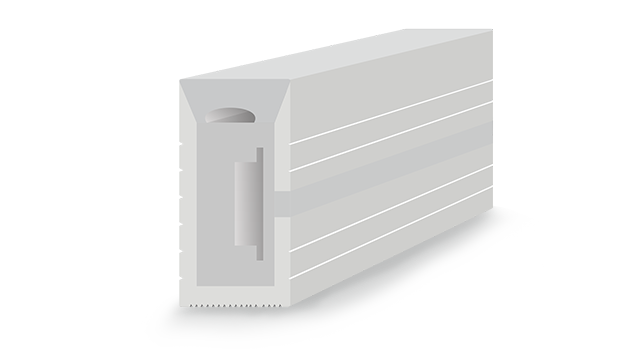
LED Density: ≥ 60 LEDs/m · Voltage: 24V DC · Cutting Unit: 6 LED/50mm · PCB Width: 10mm · IP Rating: IP67
DL-T1220F1 — 60 LEDs/m · 24V
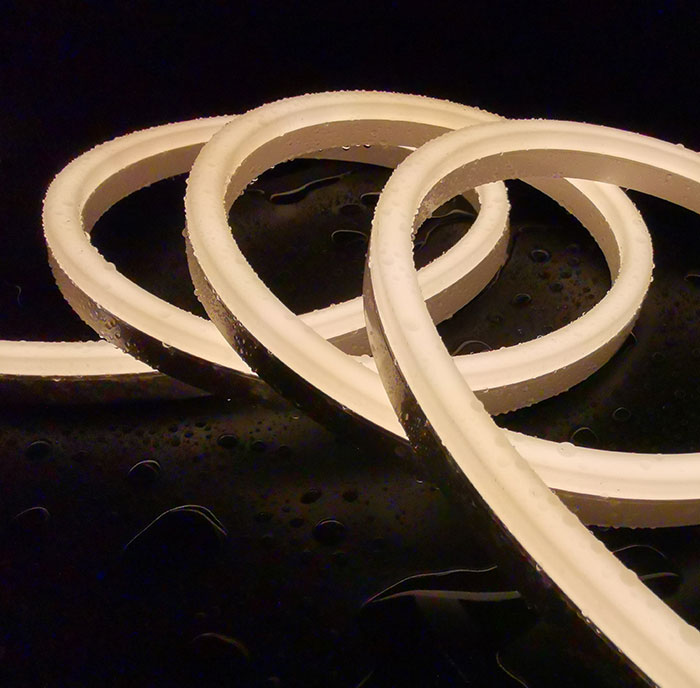
LED Density: ≥ 60 LEDs/m · Voltage: DC 24V · Cutting Unit: 6 LED/50mm · PCB Width: 10mm · IP Rating: IP20 / IP65 / IP67
DL-T0612F — 120 LEDs/m · 24V
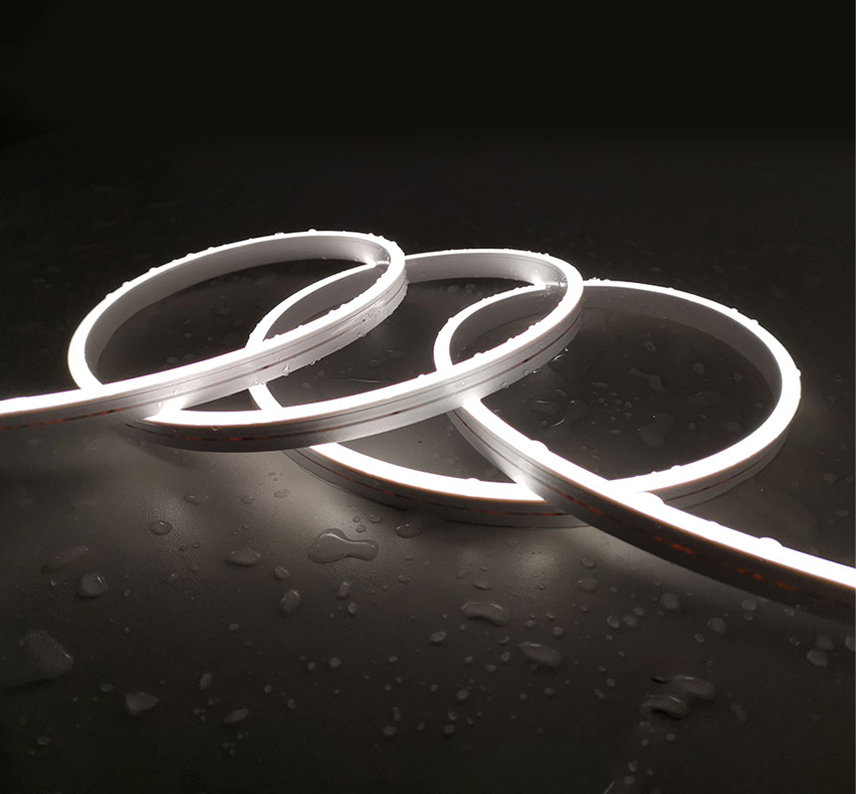
LED Density: ≥ 120 LEDs/m · Voltage: DC 24V · Cutting Unit: 6 LED/50mm · PCB Width: 8mm · IP Rating: IP67
DL-T0410F — 120 LEDs/m · 24V
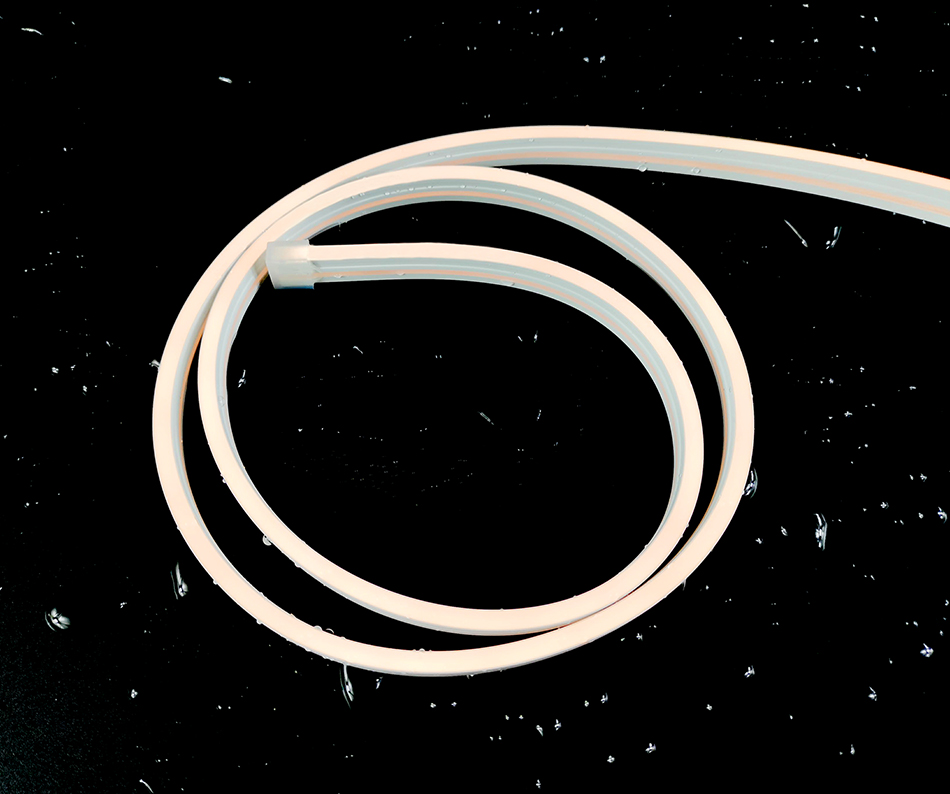
LED Density: ≥ 120 LEDs/m · Voltage: DC 24V · Cutting Unit: 6 LED/50mm · PCB Width: 5 / 6mm · IP Rating: IP67
12V SéRie à Courbure LatéRale Models (1)
DL-T1023F — 60 LEDs/m · 12V
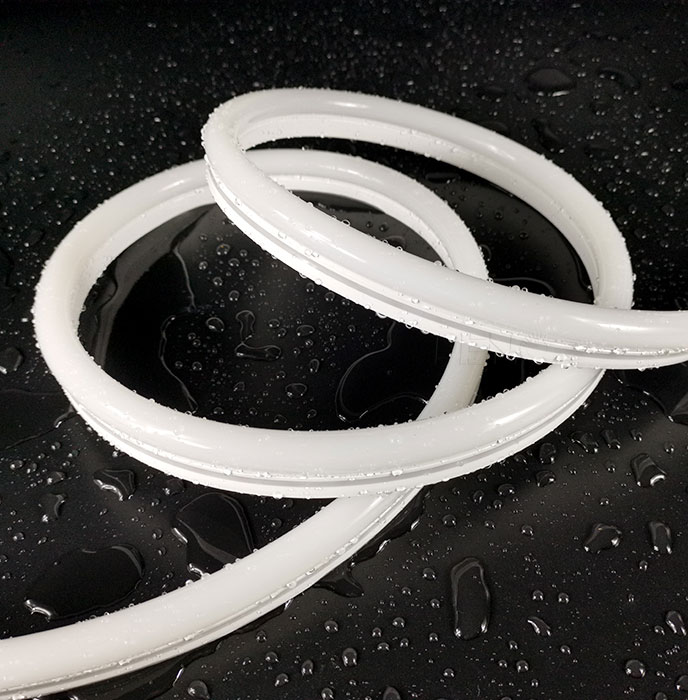
LED Density: ≥ 60 LEDs/m · Voltage: DC 12V · Cutting Unit: 3LEDs/50mm · PCB Width: 10mm · IP Rating: IP67
5V SéRie à Courbure LatéRale Models (1)
DL-T1225F — 96 LEDs/m · 5V

LED Density: ≥ 96 LEDs/m · Voltage: DC 5V · Cutting Unit: 1LED/10mm · PCB Width: 12mm · IP Rating: IP67
Other SéRie à Courbure LatéRale Models (1)
DL-T0815F — 120 LEDs/m
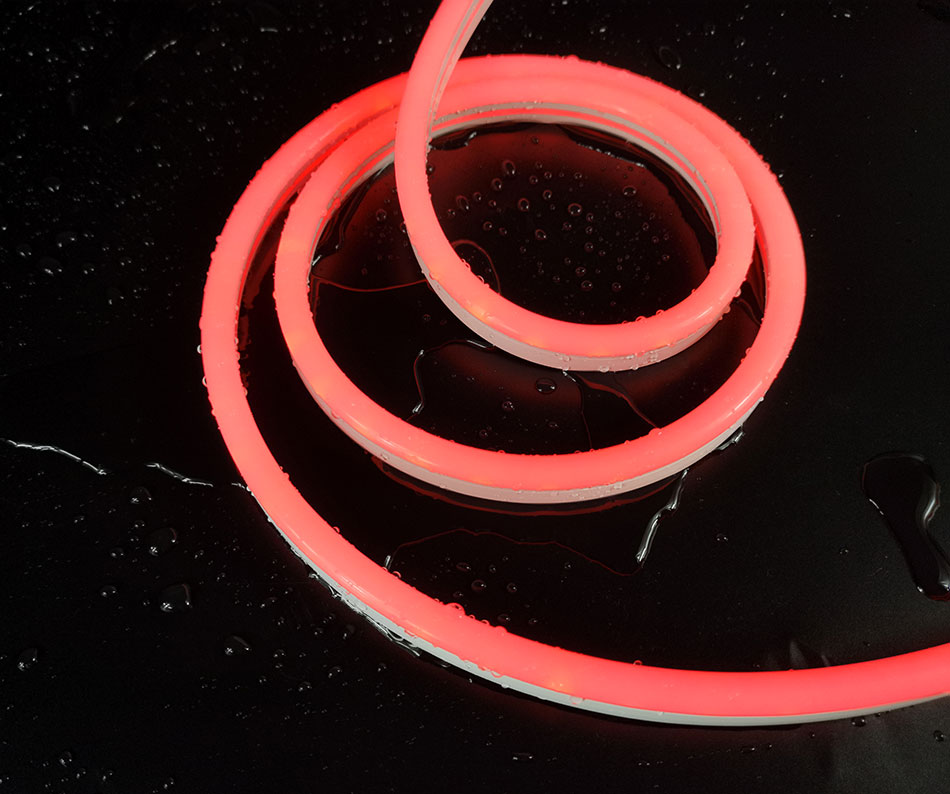
LED Density: ≥ 120 LEDs/m · PCB Width: 5mm · IP Rating: IP67
Other Bande LED Néon series
How Side bending LED neon flex performs on site
Specification notes for this section low-voltage DC silicone neon: what it does outdoors, what it does around water, and how far it bends when you trace a building.
Outdoor & façade exposure
Specify for permanent exterior installation above the waterline (IP67).
The silicone is injection moulded onto the FPCB in one shot, so there is no glued cover to open up after a winter of thermal cycling — the failure mode PVC neon rope light shows in its second outdoor summer. UV-stabilised silicone keeps its colour instead of yellowing, and the body stays elastic from −30 °C to +80 °C, so a façade run installed in summer will not go brittle in a January frost. Feed with low-voltage DC and plan short runs per feed to hold end-of-run brightness across a long elevation.
- Sealed silicone body
- UV-stable silicone, −30 °C to +80 °C
- Low thermal load
Pools, spas & wet areas
Suitable for pool surrounds, spa ceilings and steam-adjacent joinery — not for submersion.
IP67 covers rain, splash, wash-down and steam — pool decks, shower reveals, sauna ceilings and spa coves — but the body is not intended to sit under water. Mount it above the waterline in an aluminium groove so condensate drains away from the feed joint, run low-voltage DC for wet-zone safety, and choose the IP68 variant where the channel can flood.
- IP67 — splash and rain, not submersion
- low-voltage DC
- Moulded end cap and feed joint
Architectural contour & signage
Bends horizontally, flat on the wall at tight horizontal radii — the right pick for curved building contours, balcony bands, circular ceilings and racetrack coves.
Side bending LED neon flex takes its curve horizontally, flat on the wall, which is what decides whether a shape is possible without cutting and re-soldering. At tight horizontal radii the outside of the curve stays evenly lit: the LED pitch is matched to the diffuser depth so you read a continuous line of light rather than dots, even at 30 cm. Printed cut marks with indexed solder pads underneath let a sign maker shorten a letter stroke on site and re-seal it, and mounting clips, aluminium grooves and moulded bend grooves cover surface, recessed and free-form fixing.
- Compact silicone body
- Bend radius tight horizontal radii
- Dot-free diffusion
Néon Flex LED à Courbure Latérale — Questions des Acheteurs
Qu'est-ce qu'un néon flexible LED à courbure latérale ?
Une bande néon à courbure latérale fléchit de gauche à droite dans le plan de la face émettrice, de sorte que la course peut suivre une courbe tracée sur un mur ou un plafond sans se tordre. Le FPCB est construit étroitement avec une disposition de cuivre en serpentine, ce qui permet la courbure horizontale sans fissurer le cuivre ni solliciter les joints de soudure.
- Related series LED neon flex bend directions compared
- Related series corps à courbure verticale pour courbes verticales
- Product 0612S-EE néon flexible à courbure latérale
Courbure latérale ou courbure supérieure — de laquelle mon agencement a-t-il besoin ?
Tracez le tracé sur le dessin : si la courbe reste plate contre la surface de montage (un cercle sur un mur, une vague le long d'un plafond), vous avez besoin d'un néon flexible à courbure latérale. Si la courbe monte sur un bord ou suit un dôme, vous avez besoin d'une courbure supérieure. La géométrie mixte est normalement divisée en deux longueurs jointes à une section droite plutôt que forcée sur un seul corps.
Quel est le rayon de courbure minimum d'une bande néon flexible à émission latérale ?
Les corps à courbure latérale typiques maintiennent R30 mm à 6×12 mm et R80–R120 mm à 12×25 mm ; plus le corps est large dans le plan de courbure, plus le rayon est grand. Rester au-dessus du rayon nominal empêche la paroi extérieure de blanchir et évite que le pas ne s'ouvre en des points sombres visibles à l'extérieur de la courbe.
Le néon flexible à courbure latérale est-il utilisé pour l'éclairage de contour de bâtiment ?
C'est le choix par défaut. Le travail de contour et de délimitation de bâtiment suit le plan de la façade — corniches, arches, bords de balcon — de sorte que la course doit se plier latéralement tout en restant plate contre le substrat. Combiné à un corps moulé par injection IP67 et à des clips en acier inoxydable, un néon flexible LED à courbure latérale maintient un contour architectural propre malgré les cycles météorologiques.
Le néon flexible pour murs courbes peut-il être préformé en usine ?
Oui. Envoyez l'ensemble de rayons ou un tracé DXF et DENO fournit des longueurs préformées dans une gorge de courbure moulable, coupées et terminées par segment. Cela élimine les incertitudes sur site pour les lettrages et les logos, où un installateur pliant à la main produirait autrement une tension de courbure incohérente le long de la course.
Jusqu'où peut aller une seule course de néon à courbure latérale sur une seule alimentation ?
À 24V en tension constante, un corps de 10 W/m maintient une uniformité acceptable jusqu'à environ 5 m alimenté par une seule extrémité ou 10 m alimenté par les deux extrémités. Au-delà, utilisez une construction à courant constant ou 48V afin que l'extrémité éloignée du contour n'apparaisse pas plus sombre que le début — le mode de défaillance le plus courant sur les longues lignes de contour.