Feuilles LED flexibles pour pierre rétroéclairée | DENO Lighting
Une feuille LED est un panneau de rétroéclairage flexible plutôt qu'un ruban : 480x240mm, sécable sur une grille, et utilisée derrière la pierre, l'onyx et les caissons lumineux. DENO fabrique des versions 12V et 24V qui restent uniformes à partir d'une profondeur de cavité d'environ 20 mm.
Feuille LED flexible models & key specifications (10)
24V Feuille LED Flexible Models (9)
6352 — 5050 · 288 LEDs/m · 24V
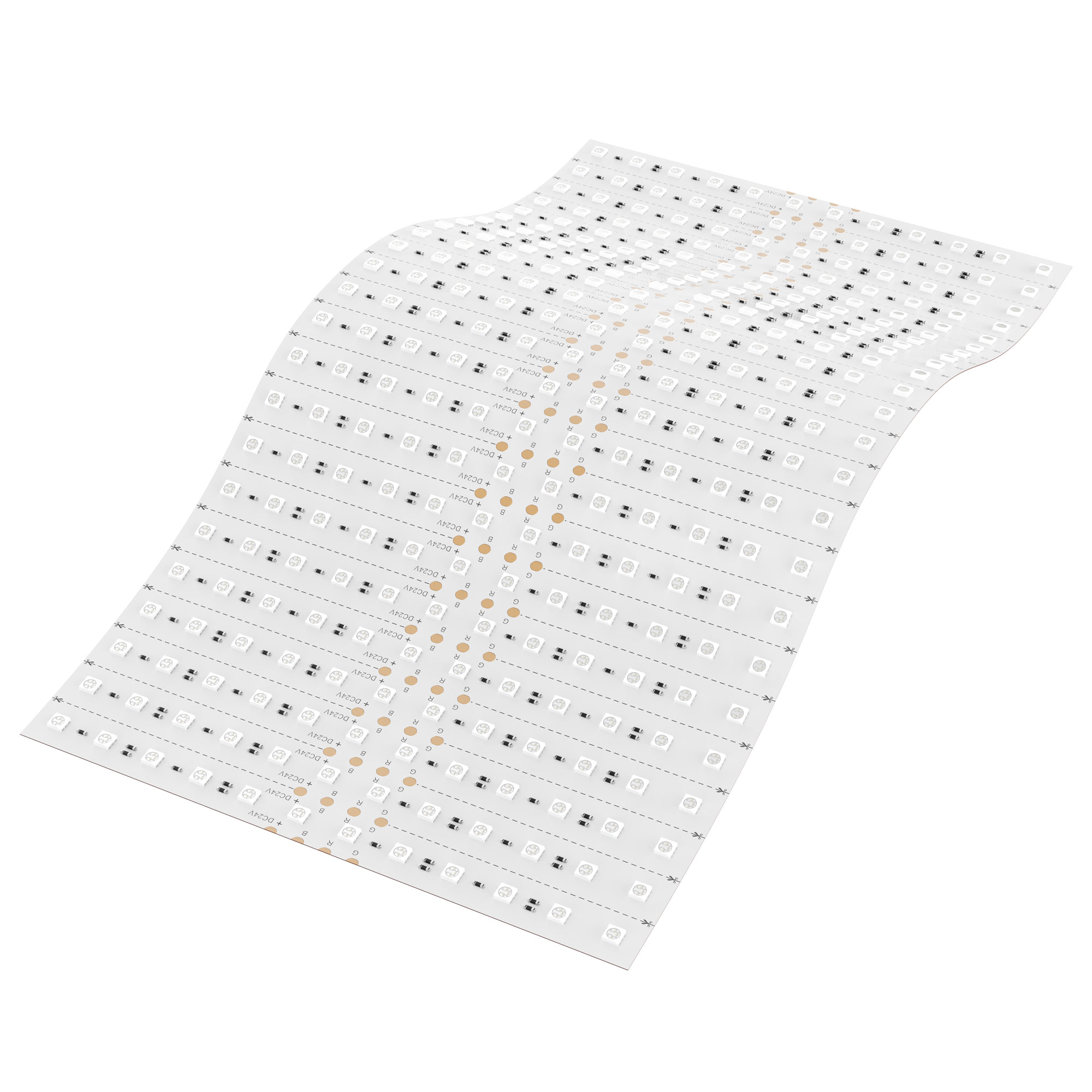
LED Type: 5050 · LED Density: 288 LEDs/pcs · Voltage: DC 24V · Power: 17.2~70W · Cutting Unit: 12LEDs/20*240mm · PCB Width: 240x480mm · Copper Foil: 2oz · Circuit Type: CV · IP Rating: IP20
6432 — 5050 · 288 LEDs/m · 24V
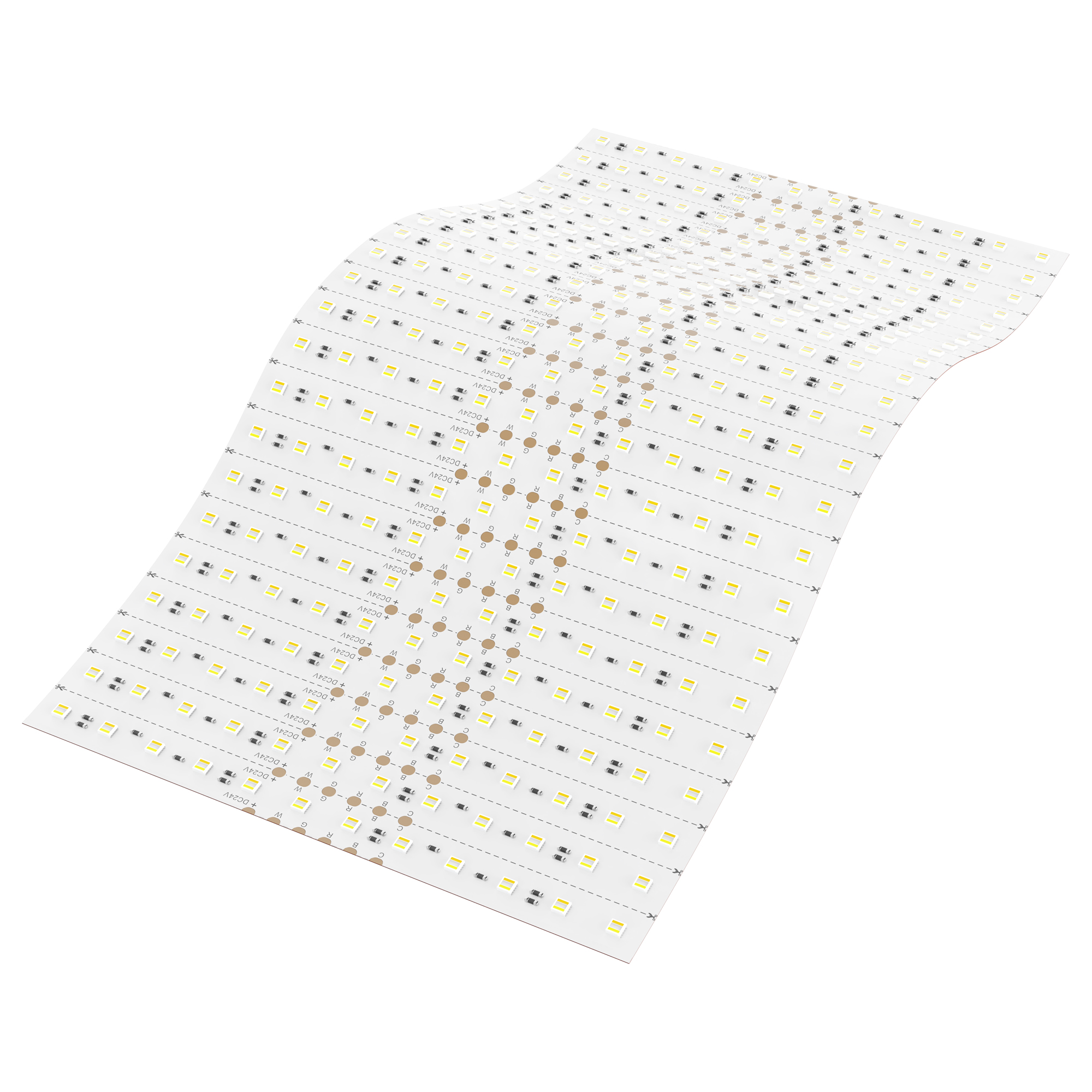
LED Type: 5050 · LED Density: 288 LEDs/pcs · Voltage: DC 24V · Power: 20~110W(1pcs) · Cutting Unit: 12LEDs/20*240mm · PCB Width: 240x480mm · Copper Foil: 2oz · Circuit Type: CV · IP Rating: IP20
6433 — 2835 · 288 LEDs/m · 24V
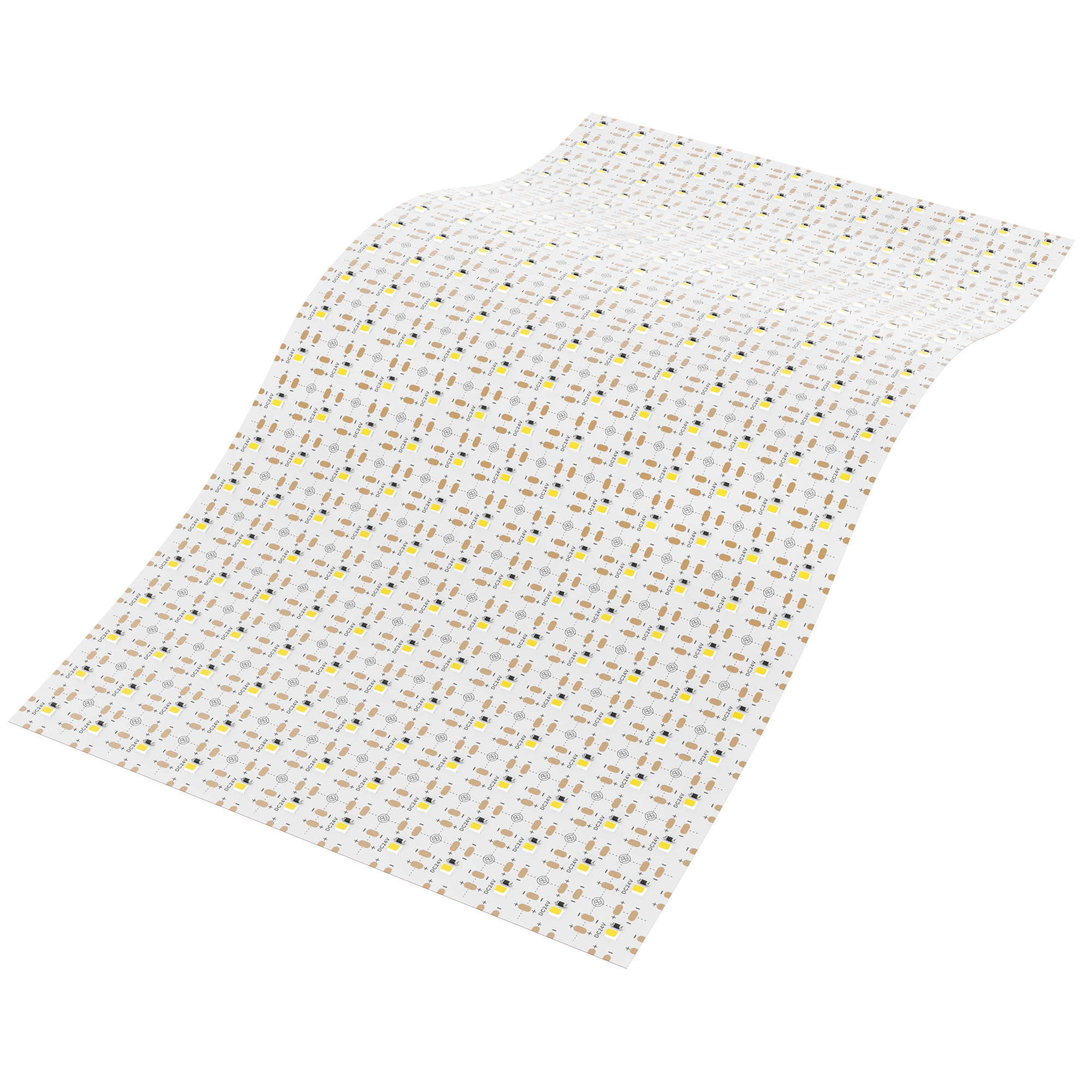
LED Type: 2835 · LED Density: 288 LEDs/pcs · Voltage: DC 24V · Power: 20~138W · Cutting Unit: 1LED/20*20mm · PCB Width: 240x480mm · Copper Foil: 2oz · Circuit Type: C.V. · IP Rating: IP20/IP65
16795 — 5050 · 98 LEDs/m · 24V
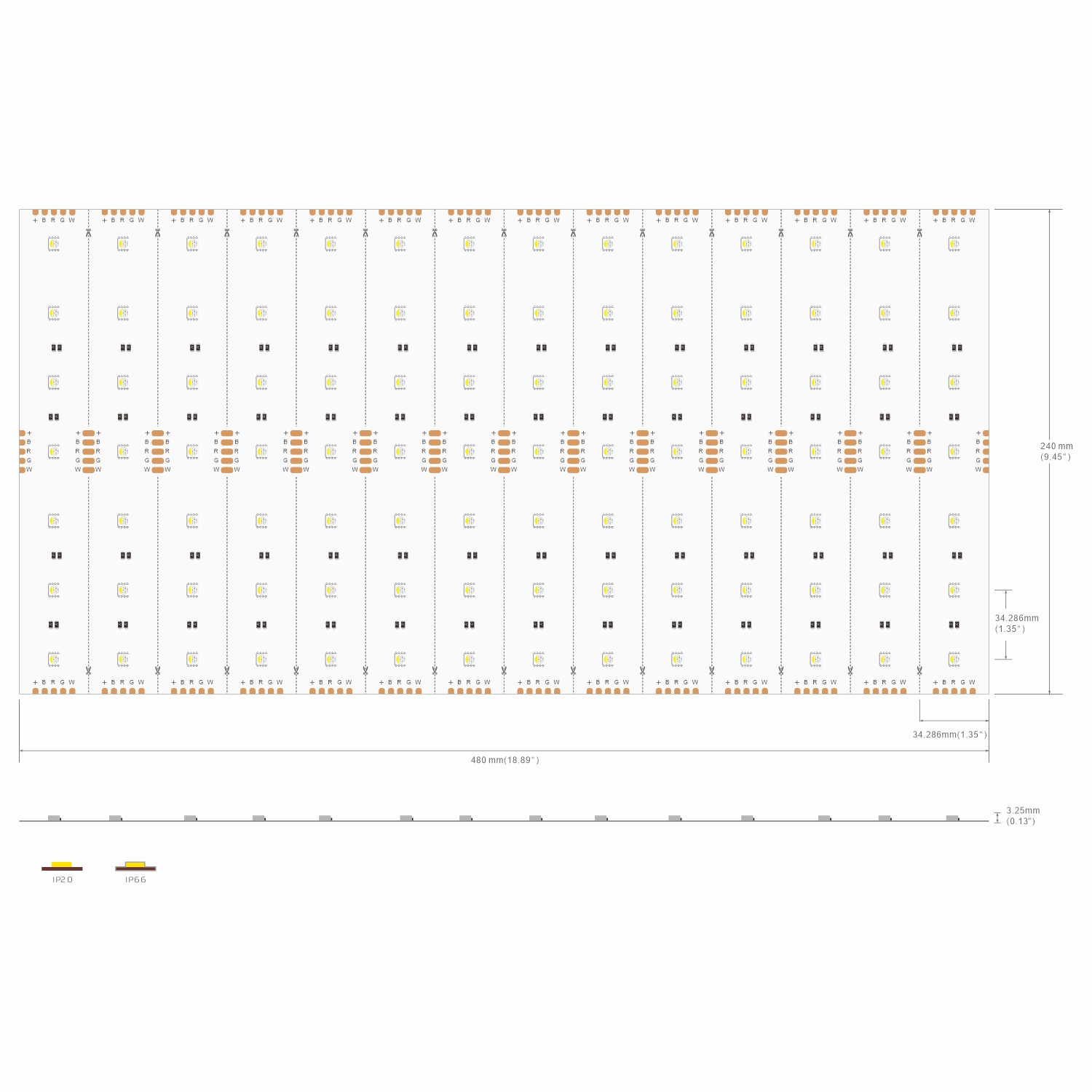
LED Type: 5050 · LED Density: 98 LEDs/pcs · Voltage: DC 24V · Power: 12~26.8W · Cutting Unit: 7LEDs/34.286*240mm · PCB Width: 240x480mm · Copper Foil: 2oz · Circuit Type: CV · IP Rating: IP20
6600 — 2835 · 576 LEDs/m · 24V
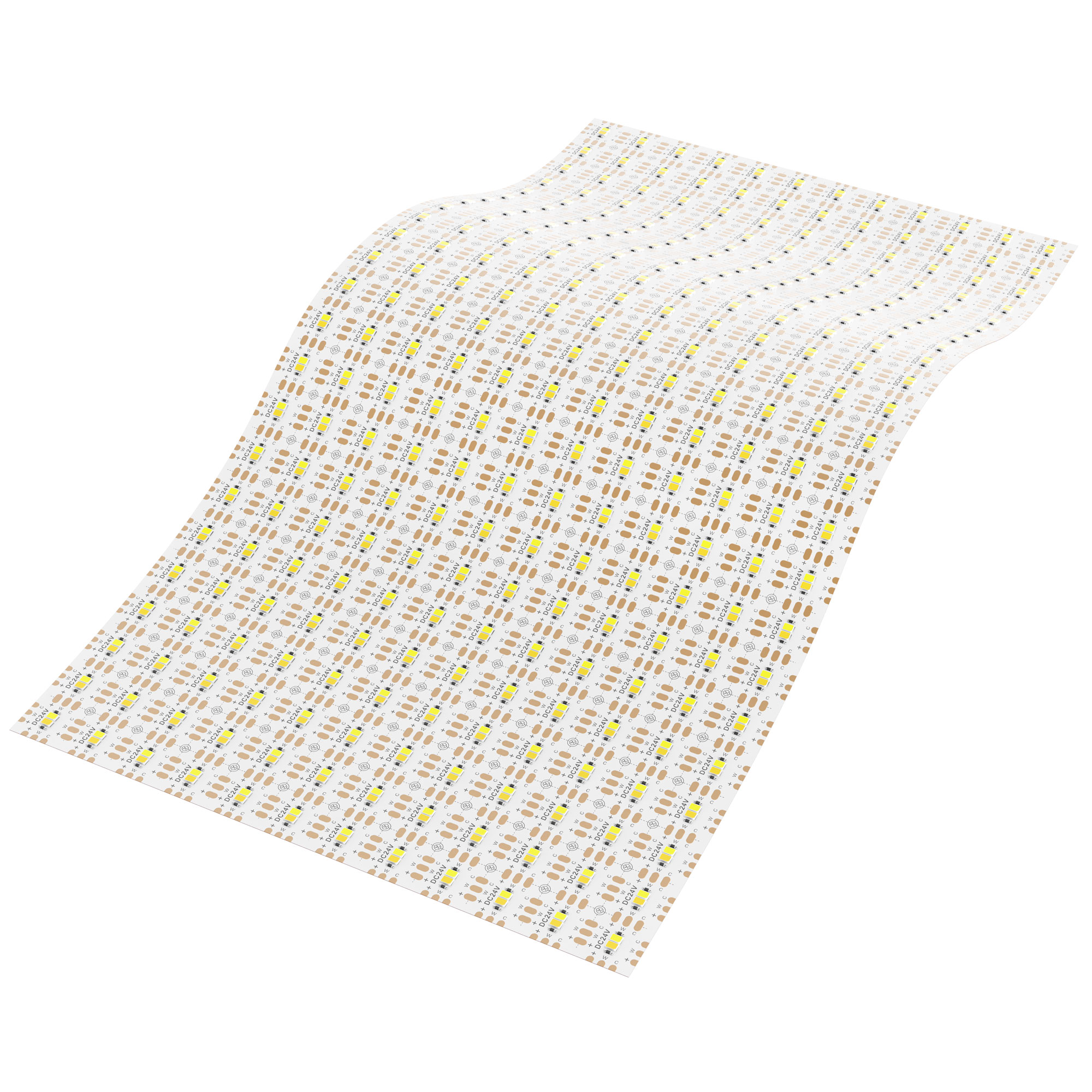
LED Type: 2835 · LED Density: 576 LEDs/pcs · Voltage: 24V · Power: 20~120W · Cutting Unit: 2LEDs/20*20mm · PCB Width: 240x480mm · Copper Foil: 2oz · Circuit Type: CV
17947 — 5050 · 162 LEDs/m · 24V
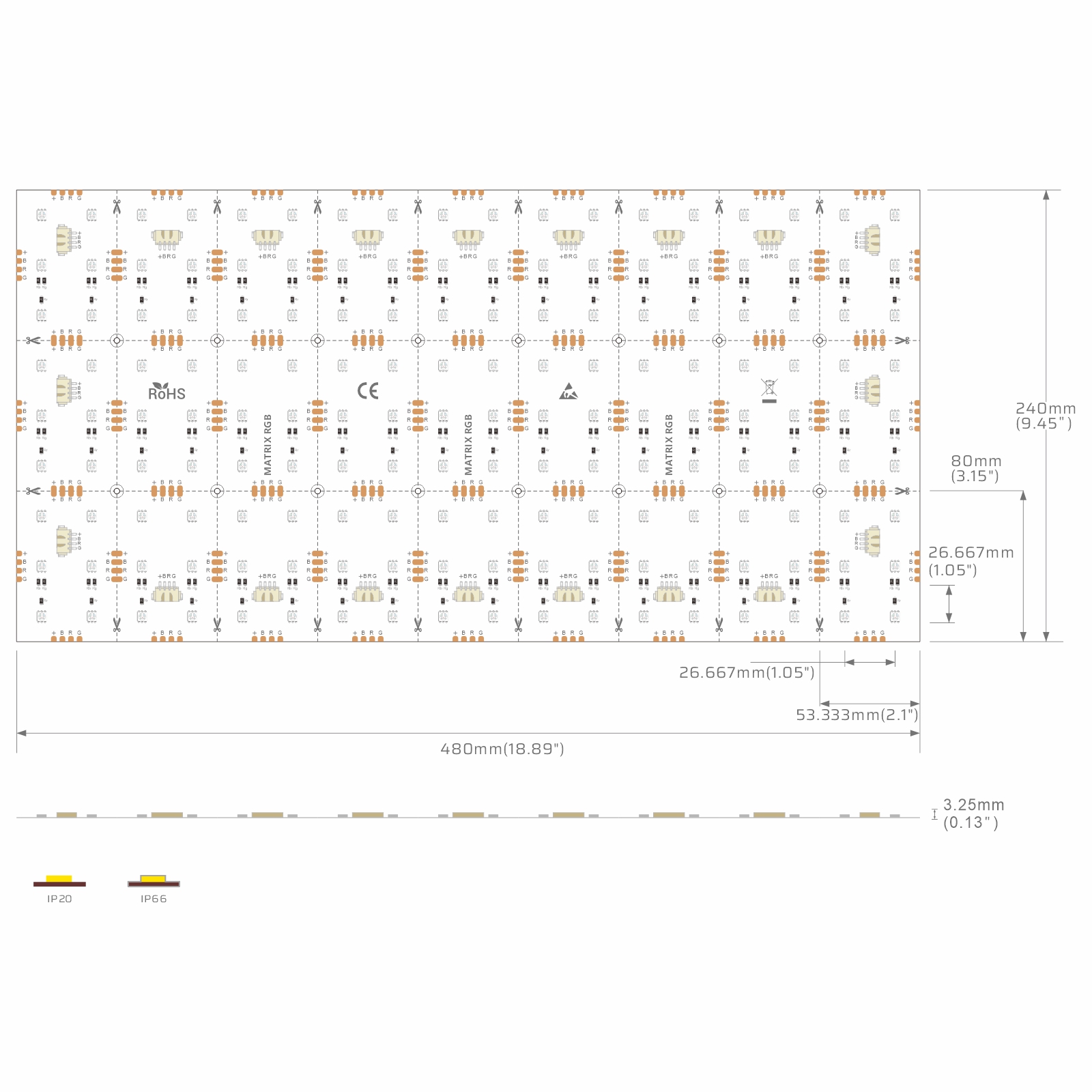
LED Type: 5050 · LED Density: 162LEDs/pièce · Voltage: DC24V · Cutting Unit: 6 LED/53.333mm · PCB Width: 480*240mm · Copper Foil: 2oz · Circuit Type: CV · IP Rating: IP20/IP65
16796 — 5050 · 162 LEDs/m · 24V
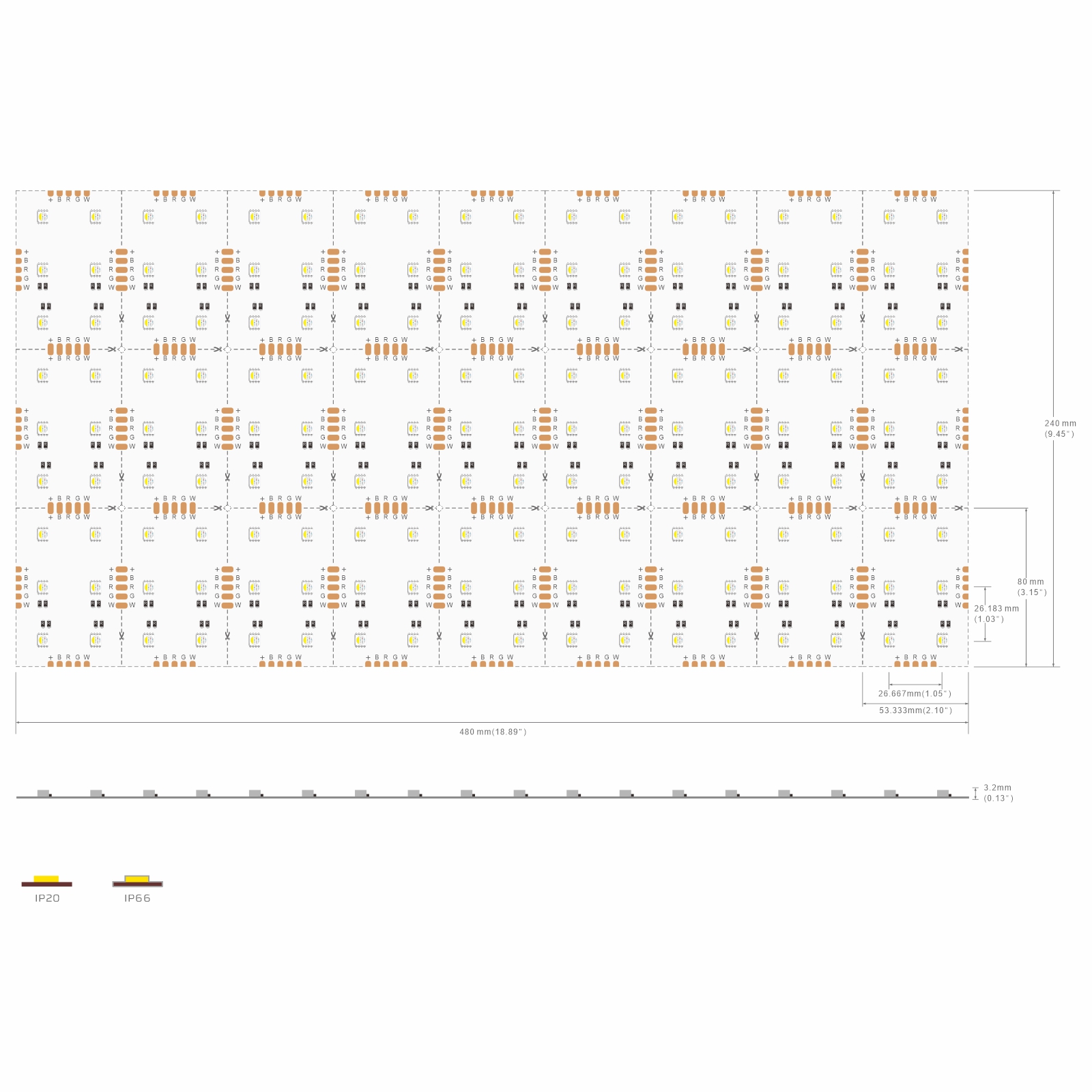
LED Type: 5050 · LED Density: 162 LEDs/pièce · Voltage: DC 24V · Power: 13~50W · Cutting Unit: 6 LED/53.333*80mm · PCB Width: 240x480mm · Copper Foil: 2oz · Circuit Type: CV · IP Rating: IP20
6105 — 2835 · 50 LEDs/m · 24V
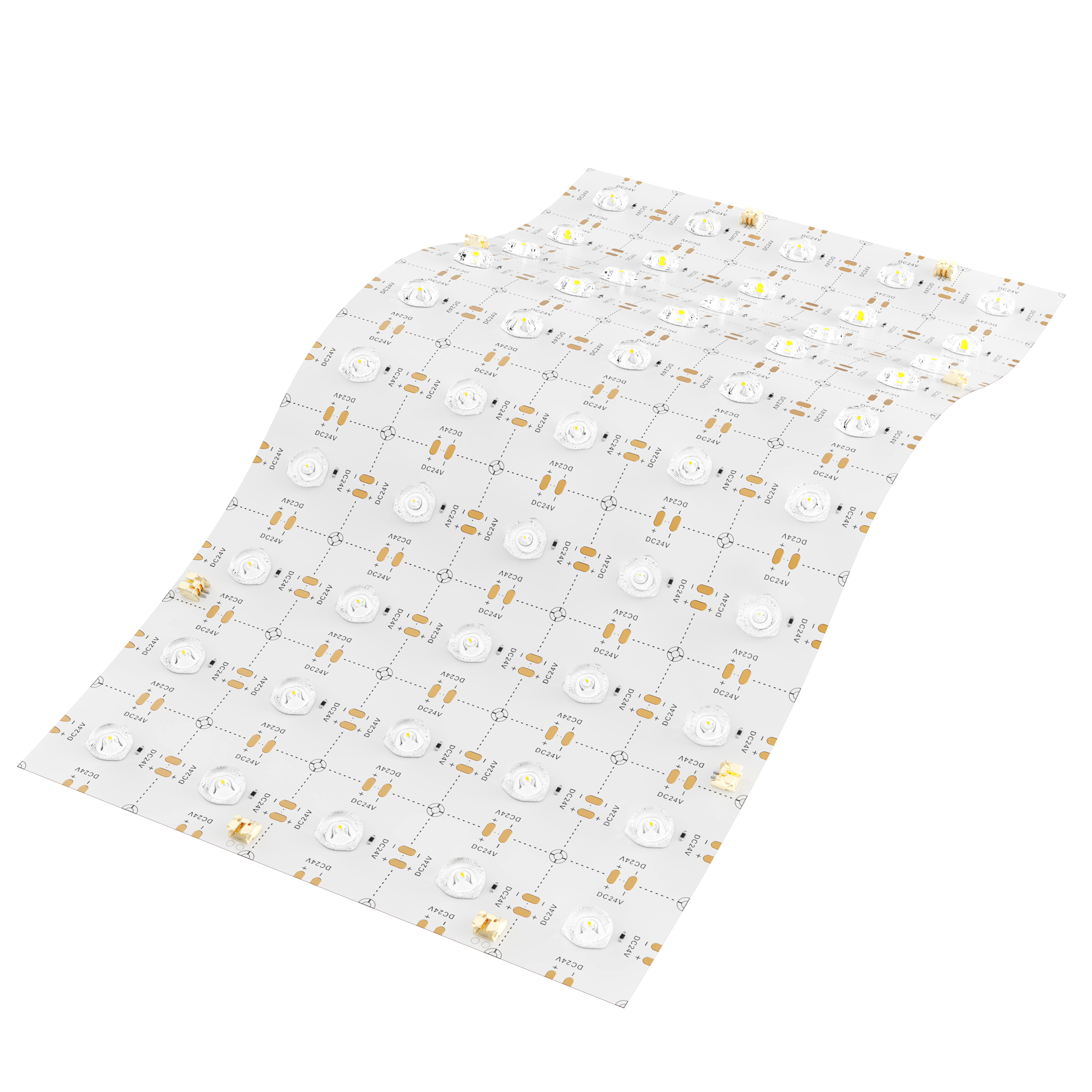
LED Type: 2835 · LED Density: 50 LEDs/pcs · Voltage: DC 24V · Power: 12~60W · Cutting Unit: 1LED/48*48mm · PCB Width: 240x480mm · Copper Foil: 3oz · Circuit Type: CV · IP Rating: IP20
16797 — 5050 · 288 LEDs/m · 24V
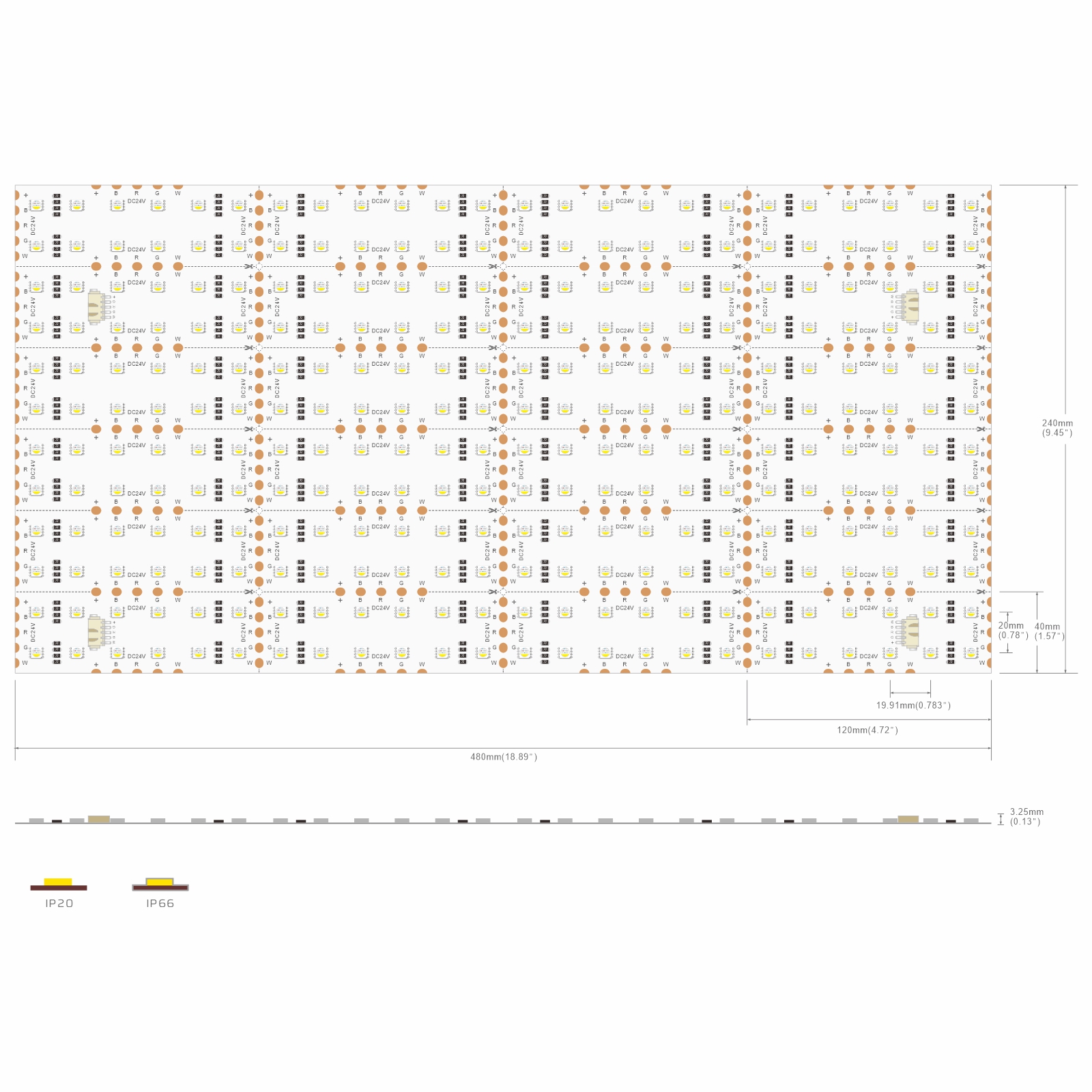
LED Type: 5050 · LED Density: 288LEDs/pcs · Voltage: DC24V · Cutting Unit: 12LEDs/120mm · PCB Width: 480*240mm · Copper Foil: 2oz · Circuit Type: CV · IP Rating: IP20/IP66
12V Feuille LED Flexible Models (1)
6710 — 6060 · 50 LEDs/m · 12V
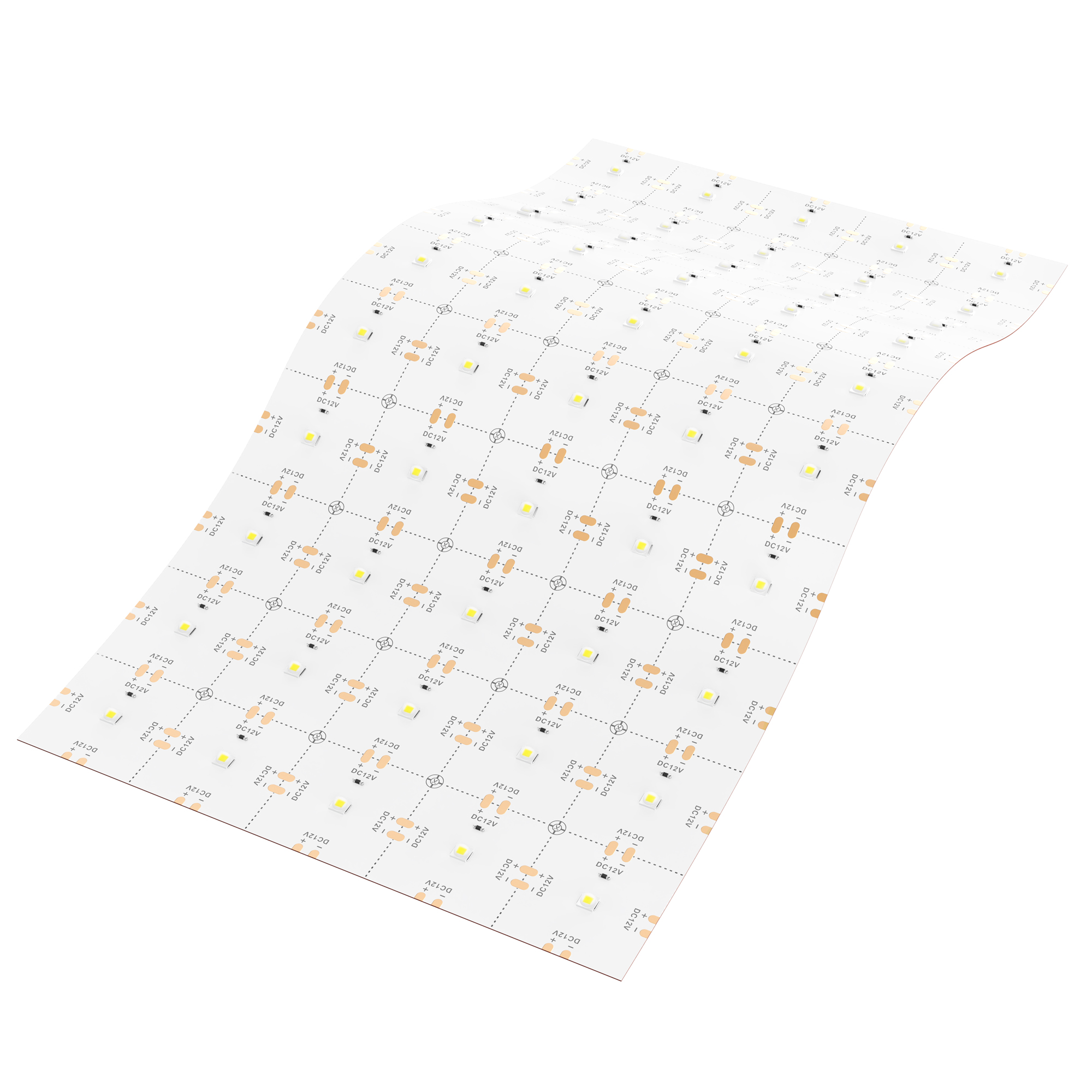
LED Type: 6060 · LED Density: 50 LEDs/pcs · CCT: 2700-6500 · CRI: Ra≥80 · Voltage: DC 12V · Power: 10~60W · Cutting Unit: 1LED/48*48mm · PCB Width: 240x480mm · Copper Foil: 2oz · Circuit Type: CV · IP Rating: IP20
Other Feuille LED flexible series
How to choose an LED sheet: a buyer's decision guide
An LED sheet is specified backwards from the surface it has to light. Decide the application first, then the colour family, then the LED pitch that matches the diffuser depth you actually have, and only then the power feed and cutting grid. This guide walks that sequence for backlit stone, lightboxes, signage and colour walls, using the DENO FlexLite sheet range as the reference set.
| Application | Sheet family | Reference models | Diffuser depth | Why |
|---|---|---|---|---|
| Backlit onyx, marble or translucent quartz | Tunable white | #6600 (2700–6500 K, 234.8 lm/W) | Slab thickness only | Colour temperature is dialled in on site after the slab is installed, and the high efficacy keeps heat out of the stone. |
| Irregular shapes, logos, curved niches | Single colour | #6433 (cut every LED, 20 × 20 mm) | 15–25 mm | The finest cutting grid in the range fills almost any outline, and the offcut modules can be reconnected elsewhere. |
| Slim lightboxes and SEG fabric frames | Wide angle lens | #6105 (24 V), #6710 (12 V) | 40–60 mm | A 160–170° lens spreads 50 LEDs across the full sheet, so a shallow box stays even at a fraction of the load. |
| Backlit signage that is mostly white | RGBW / RGBWW | #16797 (288 LED), #6432 (5-in-1) | 20–40 mm | A dedicated white die renders clean white at lower power while the colour channels stay free for seasonal scenes. |
| Colour walls, stages, exhibition backdrops | RGB | #6352 (288 LED), #17947 (162 LED) | 15–25 mm / 30 mm+ | Sheets tile edge to edge; pick the density from the depth you have rather than from the brightness target. |
Step 1 — start with the surface, not the product
An LED sheet is a component, not a finished luminaire. It is a thin flexible board carrying a grid of LEDs across 480 × 240 mm, built to light a surface evenly from behind. That is why fabricators specify sheets for backlit countertops, lightboxes and signage instead of rigid panel fixtures.
Backlit stone and solid surface
Translucent stone is judged on colour, not on lumens. Use 2700–3000 K for onyx, travertine and amber-veined slabs so the minerals glow, and 4000–6500 K for white marble, quartz and solid surface so the slab does not read yellow. A tunable white sheet removes the guesswork because the setting is made with the slab already in place.
Lightboxes, SEG frames and posters
Here the constraint is depth. Each sheet lights 480 × 240 mm, so roughly nine sheets tile a square metre, and the last row is squared to the frame on the printed cutting grid. Choose 4000–6500 K to keep printed colour neutral; warmer settings shift the whole graphic.
Signage and colour surfaces
If the sign holds white most of the day, an RGBW sheet is cheaper to run and cleaner in colour than mixing white from three channels. If the surface exists to change colour — stage backdrops, exhibition walls, architectural features — an RGB sheet is the correct and lower-cost tool.
Step 2 — match LED pitch to the diffuser depth you have
Most patchy backlit surfaces are not underpowered; they are under-spaced. Dot visibility is decided by the ratio between LED pitch and the air gap in front of the board, so the density decision follows the cabinet, not the brightness target.
20 mm pitch for shallow builds
A 20 mm grid — the 288-LED RGB #6352, the 288-LED RGBW #16797 and the single-colour #6433 — blends within about 15–25 mm of opal acrylic. Halve that gap and the individual dies begin to read as dots.
Coarser pitch when depth is available
The 162-LED #17947 and 98-LED #16795 sit on wider grids, cost less and draw less current. Specify them when there is 30 mm or more behind the diffuser; below that they will show structure.
Lensed sheets for shallow, large-format boxes
A wide-angle lens spreads each emitter across 160–170°, so neighbouring beams overlap close to the board. Fifty lensed LEDs cover a full sheet and keep a slim poster box or fabric frame even from roughly 40–60 mm of depth at a much lower load than a bare-emitter grid.
Step 3 — pick the colour family deliberately
Single colour, tunable white, RGB, RGBW and 5-in-1 RGBWW all tile the same way, but they behave very differently at short diffuser distances and on the electricity bill.
Single colour and tunable white
Available in CRI 80, 90 and 95 plus a full spectrum grade, from 1800 K to 6500 K. Specify CRI 95 or full spectrum wherever stone, product or skin colour is judged at close range. The #6600 reaches 234.8 lm/W, delivering the same light as a market-standard 100 lm/W sheet for roughly 57 % less power — and correspondingly less heat behind the slab.
RGB versus RGBW
An RGB mix always carries a colour cast when asked for white and burns all three channels to produce it. RGBW adds one white die for clean, colour-correct white at lower power. The 5-in-1 #6432 goes further: red, green, blue, warm white and cool white in a single chip, so the white channel tunes from about 2700 K to 6500 K with no colour fringing at short diffuser distances.
Control gear
Any 24 V constant-voltage controller drives these sheets — PWM, RF, Wi-Fi, DMX512 decoders and SPI gateways for show control. What matters is per-channel current: match the controller to the connected load, up to 70 W per RGB sheet.
Step 4 — confirm the cutting grid and the power feed
The last two checks are the ones that cause site problems: whether the sheet can actually reach the shape you need, and how many sheets can hang off one feed before the far end visibly dims.
Cutting grids differ by family
The single-colour #6433 cuts every LED on a 20 × 20 mm square, so an irregular countertop or logo can be filled with almost no waste. The RGBW #16796 cuts on both axes of a 53.3 × 80 mm grid, which is enough to shape around bar backs and display niches. Other RGB and RGBW sheets cut on a single axis between 20 mm and 120 mm because each colour channel must stay complete. Always cut on the marked line so the reconnection pads survive.
Feeds, runs and driver sizing
Plan four sheets from a single-end feed and eight with dual-end input at 24 V; beyond that, start a new run from the driver. Size the supply at the sheet's maximum wattage — up to 138 W for the #6433 and 110 W for the 5-in-1 #6432 — plus 30 % headroom.
12 V or 24 V
12 V suits vehicle interiors, display cases and sites with an existing 12 V supply. 24 V is the default for large cabinets: half the current means less voltage drop, more sheets per feed and thinner conductors across a wide frame.
Panneau LED & Feuille Lumineuse LED — Questions des Acheteurs
Qu'est-ce qu'une feuille LED et en quoi est-elle différente d'un panneau lumineux LED ?
Une feuille LED est une carte de circuit imprimé fine et flexible portant une grille de LED sur une surface de 480 × 240 mm, conçue pour éclairer uniformément une surface par l'arrière. Un panneau lumineux LED de plafond est un luminaire rigide fini ; une feuille lumineuse LED est un composant que vous coupez, carrelez et cachez derrière de la pierre, de l'acrylique ou du tissu. C'est pourquoi les fabricants spécifient des feuilles pour les comptoirs rétroéclairés, les caissons lumineux et la signalisation plutôt que des luminaires à panneaux.
Une feuille LED peut-elle être coupée à la taille ?
Oui – chaque feuille LED DENO possède une grille de découpe imprimée. La plus fine est le #6433 monochromatique, qui coupe chaque LED sur un carré de 20 × 20 mm, de sorte qu'un comptoir ou un logo de forme irrégulière peut être rempli avec presque aucun déchet. Les feuilles RGB et RGBW coupent en unités plus grandes (20 mm à 120 mm) car chaque canal de couleur doit rester complet. Coupez toujours sur la ligne marquée pour que les plots de reconnexion survivent.
- Related series feuille LED monochrome découpable à chaque LED
- Product 6433 feuille LED découpable
Quelle feuille LED est la meilleure pour le rétroéclairage d'un comptoir en pierre ?
Utilisez le blanc tunable #6600 pour l'onyx, le marbre et le quartz translucide. Sa plage de 2700 à 6500 K vous permet de réchauffer la lumière pour l'onyx ambré ou de la refroidir pour le marbre blanc après l'installation de la dalle, et avec une efficacité maximale de 234.8 lm/W, elle nécessite environ 57 % moins de puissance qu'une feuille standard du marché de 100 lm/W – ce qui signifie également moins de chaleur piégée derrière la pierre. Pour un travail en couleur fixe, le #6433 offre la même grille de 20 mm avec une flexibilité de coupe libre.
Quelle doit être la profondeur d'un caisson lumineux derrière une feuille LED ?
Cela dépend du pas des LED et de la lentille. Une feuille à émetteurs nus sur une grille de 20 mm se fond sur environ 15 à 25 mm d'espace avec le diffuseur. Une feuille à lentille grand angle, telle que les #6710 ou #6105, diffuse chaque LED sur 160 à 170°, de sorte qu'un cadre en tissu SEG ou un caisson de poster mince reste uniforme à une profondeur d'environ 40 à 60 mm en utilisant seulement 50 LED par feuille.
- Related series feuille LED à lentilles grand angle pour caissons lumineux
- Product 6710 feuille LED grand angle
Combien de feuilles LED peuvent être connectées à une seule alimentation ?
Quatre feuilles à partir d'une alimentation unilatérale et huit avec une entrée bilatérale à 24 V. Au-delà, la dernière feuille s'atténue visiblement, il faut donc démarrer un nouveau circuit à partir du driver. Calibrez l'alimentation au wattage maximal de la feuille — jusqu'à 138 W pour la #6433 et 110 W pour la #6432 5-en-1 — plus 30 % de marge de sécurité.
Les feuilles LED existent-elles en RGB et RGBW ?
Oui. Les feuilles RGB (#6352, #17947) gèrent les scènes de couleurs saturées ; les feuilles RGBW (#16795, #16796, #16797) ajoutent une puce blanche dédiée afin qu'un enseigne puisse afficher un blanc pur le jour et de la couleur la nuit ; et la #6432 5-en-1 contient du RGB plus du blanc chaud et froid dans une seule puce pour un blanc accordable sans franges colorées.
- Related series feuille LED RGBW avec blanc dédié
- Related series feuille LED RGB pour ambiances colorées
- Product 6432 feuille LED RGB